

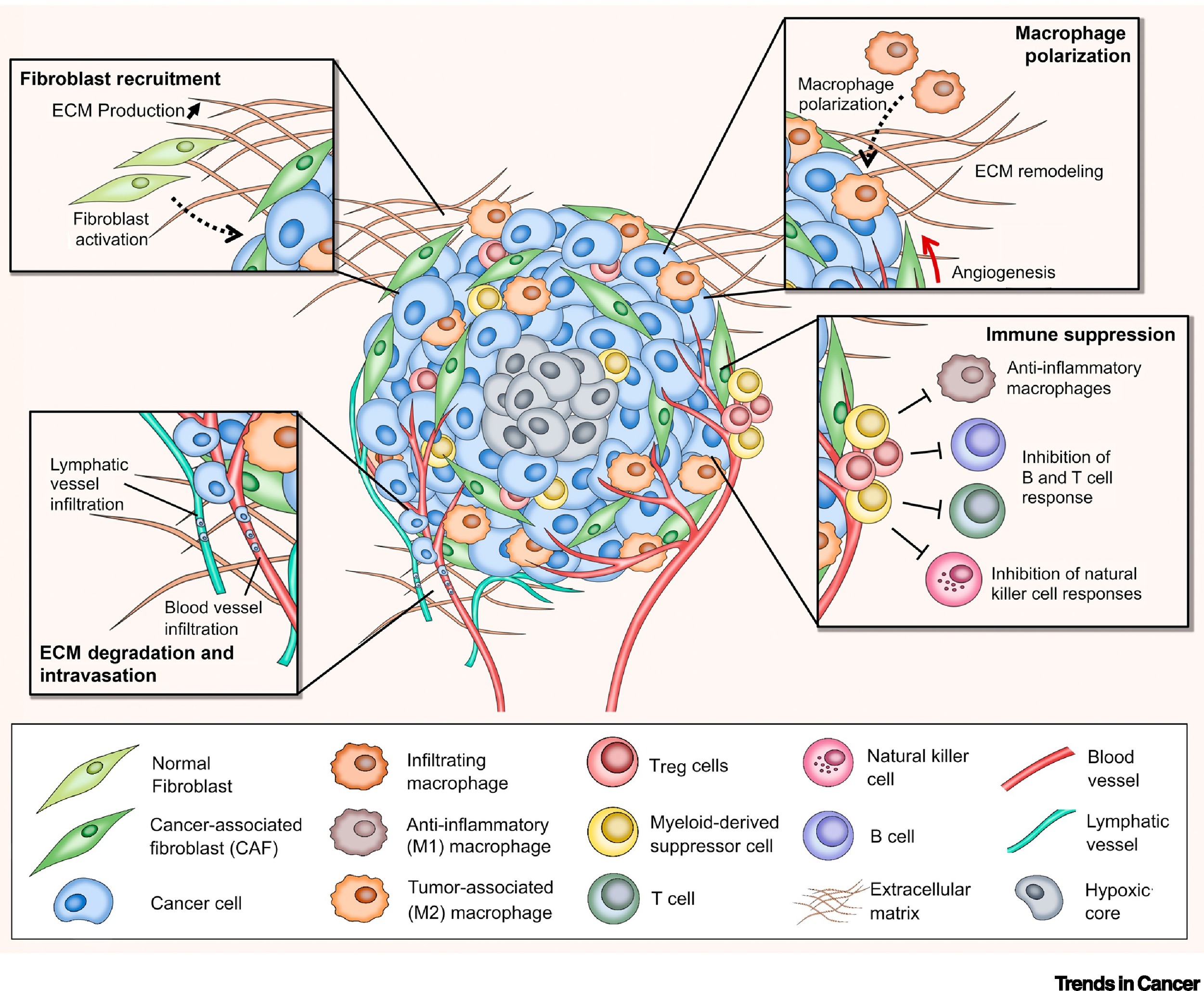
3D Spheroid culture of Stroma cells
Three-dimensional (3D) cultures are widely accepted as an excellent in-vitro model of high through out drug screening, preclinical cancer research and cancer/stem cell research. 3D spheroid models are morphologically and functionally representative of in-vivo cell state, and are able to
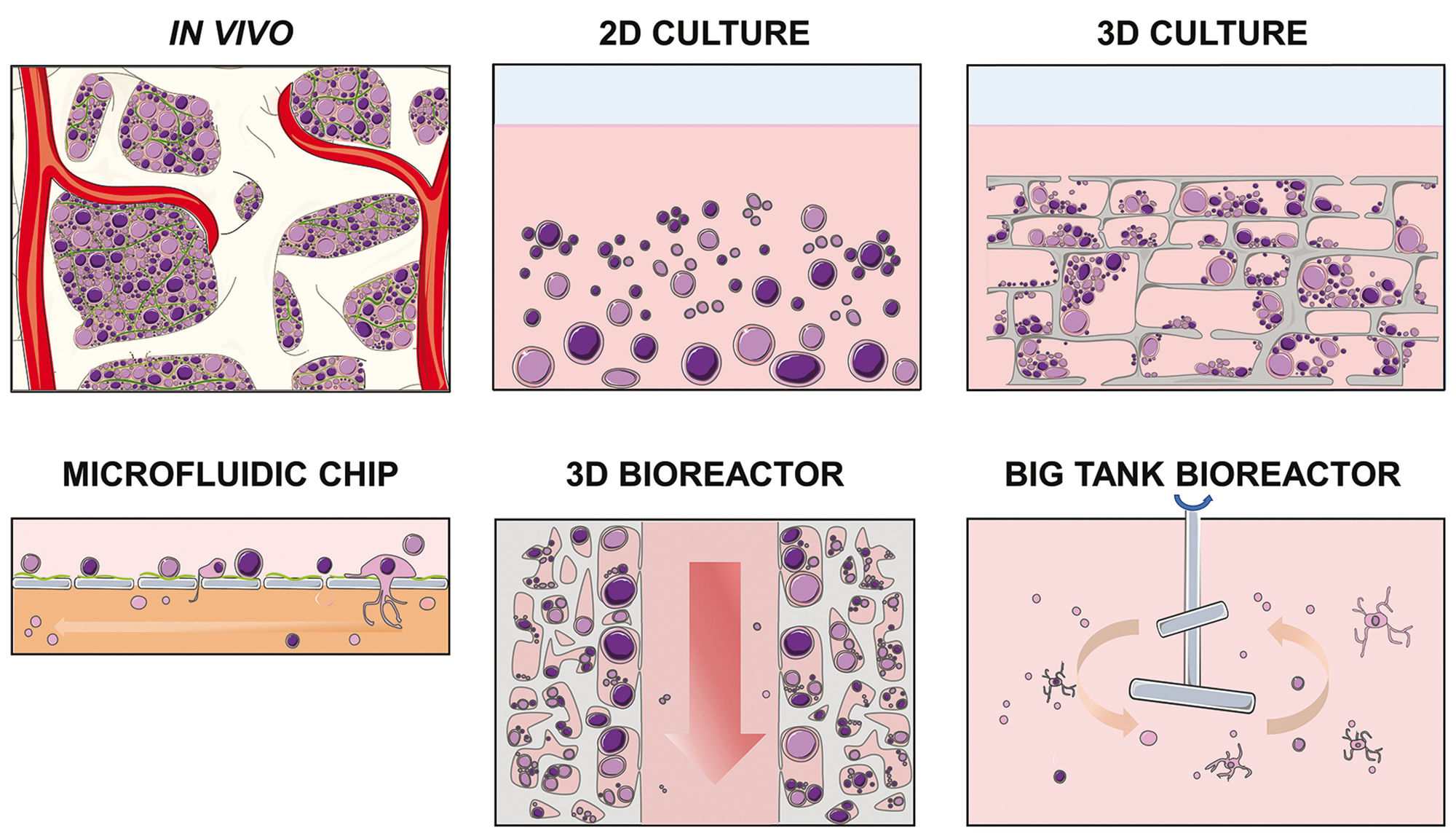
Blood cells in 3D cell culture
In recent decades there has been a strong move from 2 dimensional cell cultures to 3D cell culture systems as a laboratory tool to recapitulate the morphology of native human tissues. 3D cell culture systems has been quite challenging to
Coating of Surfaces with BIOFLOAT™ Flex Solution
In-vitro Cell culture assays are currently the most popular choice in basic and Pathophysiological research. Additionally cell based in-vitro assays are fast, easy and rapid making it an excellent platform for pharmacological and toxicological studies. Though traditional 2D cell cultures
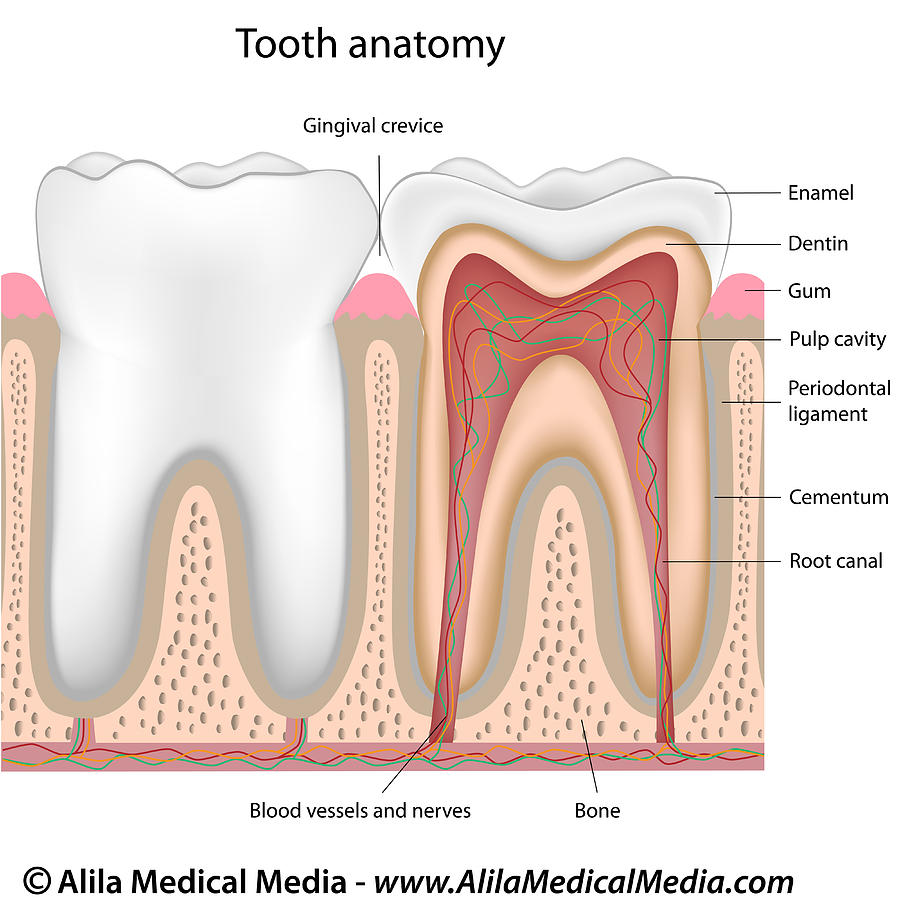
Dental cells
Dental pulp stem cells (DPSCs) are derived from the dental pulp; the soft living tissue within teeth. These cells are pluripotent and are able to differentiate into tissues that bare similarity to mesoderm, endoderm and ectoderm layers (Atari et al,
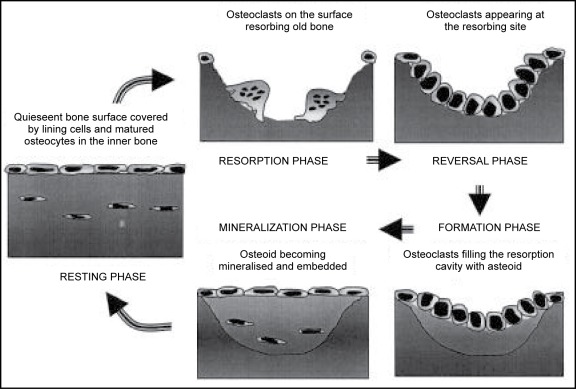
Bone microenvironment
Bone is a mineralized connective tissue composed of four types of cells namely, osteoblasts, osteocytes, osteoclasts and bone lining cells. Bone tissue is constantly undergoing remodeling via the bone resorption by osteoclasts and bone formation by osteoblasts. Osteocytes operate as
The Pancreatic islets
The pancreas is both an exocrine and an endocrine gland. The exocrine functions are performed by acinar cells, which secrete digestive enzymes. The endocrine role is played by the pancreatic islets; group of cells comprising of alpha, beta, delta and
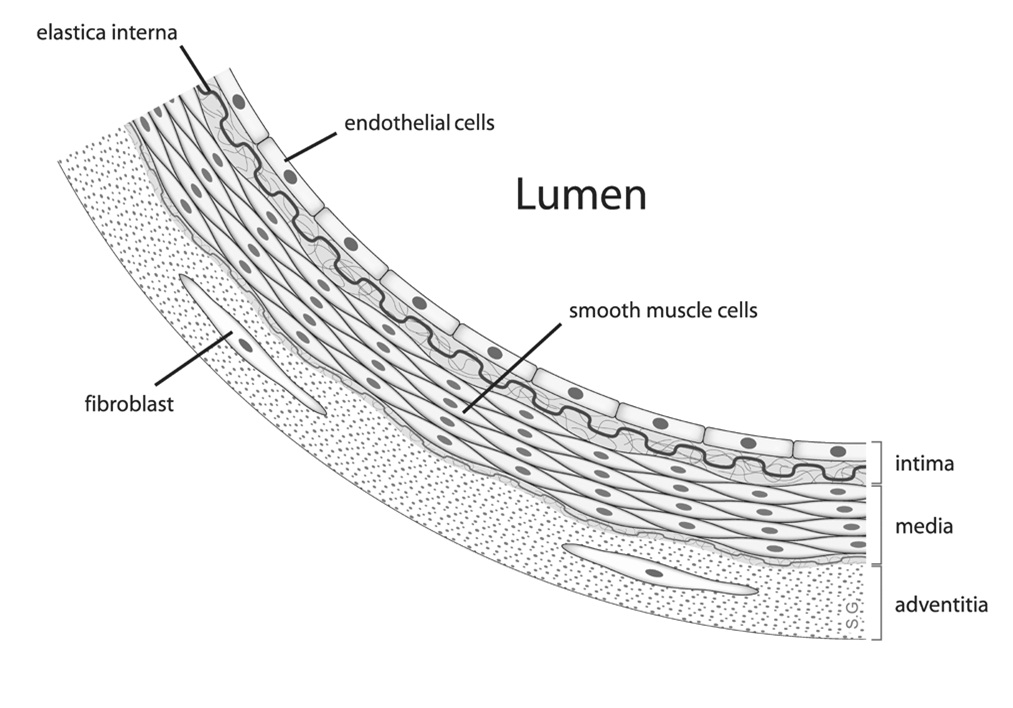
The Endothelium: An interface between Blood, tissue and lymph
The Endothelium consists of a single layer of squamous endothelial cells, forming the inner lining of the circulatory system. It is has varying degrees of permeability depending on the organ physiology as it operates as a barrier between vessels and
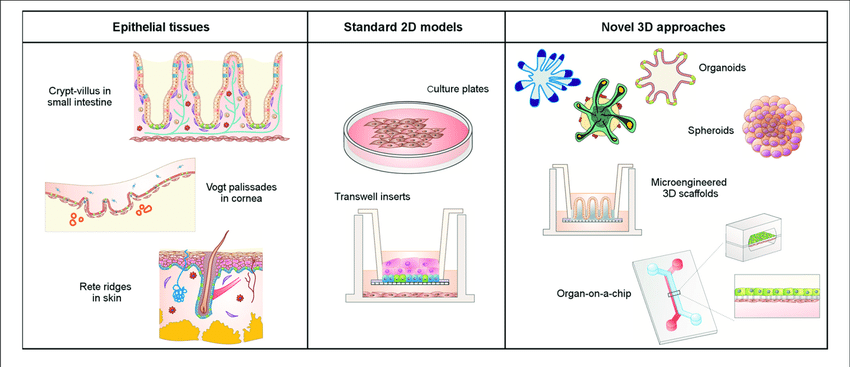
Epithalial cells for spheroid formation
The Epithelium is a thin, continuous, layer of tightly packed cells formed as complex 3D structures such as cysts, tubules or invaginations. The shape of the epithelium is essential for its function as it aids in creating biochemical gradients that
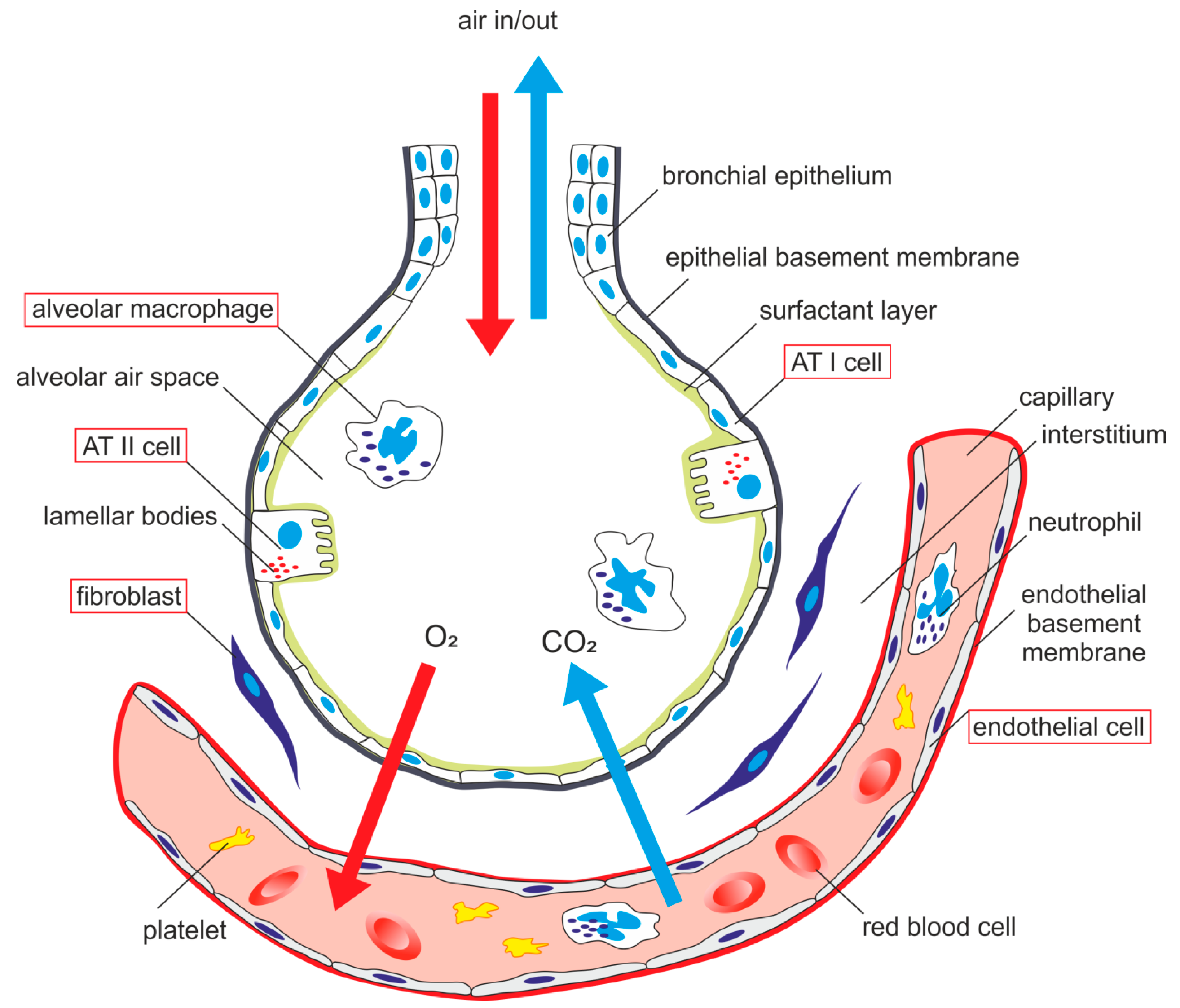
3D model systems including pulmonary cells
The human lung performs functions necessary for survival; such as gas exchange and a gatekeeper function; protecting our body from external hazards. Alveoli, the functional tissue of the lung comprises of type-1 cells, which together with endothelial capillaries, form the
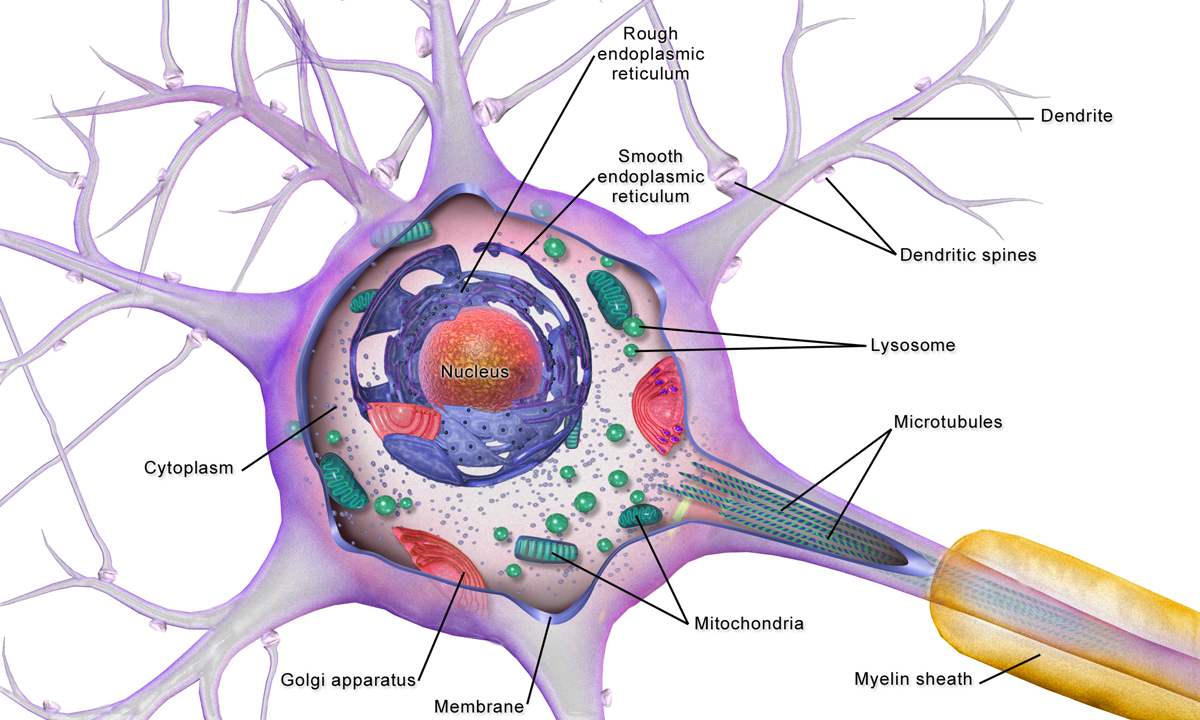
Brain cells
Brain cells collectively comprise the functional tissue of the brain (1). They are composed of 2 main types of cells, neuronal and glial cells (1). Glial cells can be further divided into astrocytes, ependymal cells, oligodendrocytes and microglia, which play